
China Becomes a Leader in Waste-to-Wealth Industrialization. Image Courtesy – Pexels
In 2026, China has solidified its position not just as a global banana powerhouse, but as a leader in waste-to-wealth industrialization. With millions of tons of agricultural residue generated annually in provinces like Guangdong, Guangxi, and Hainan, the Chinese manufacturing sector has moved far beyond simple composting.
Today, banana tree waste — specifically the pseudostem (trunk), leaves, and peels — is being transformed into everything from luxury textiles to high-tech bioplastics.
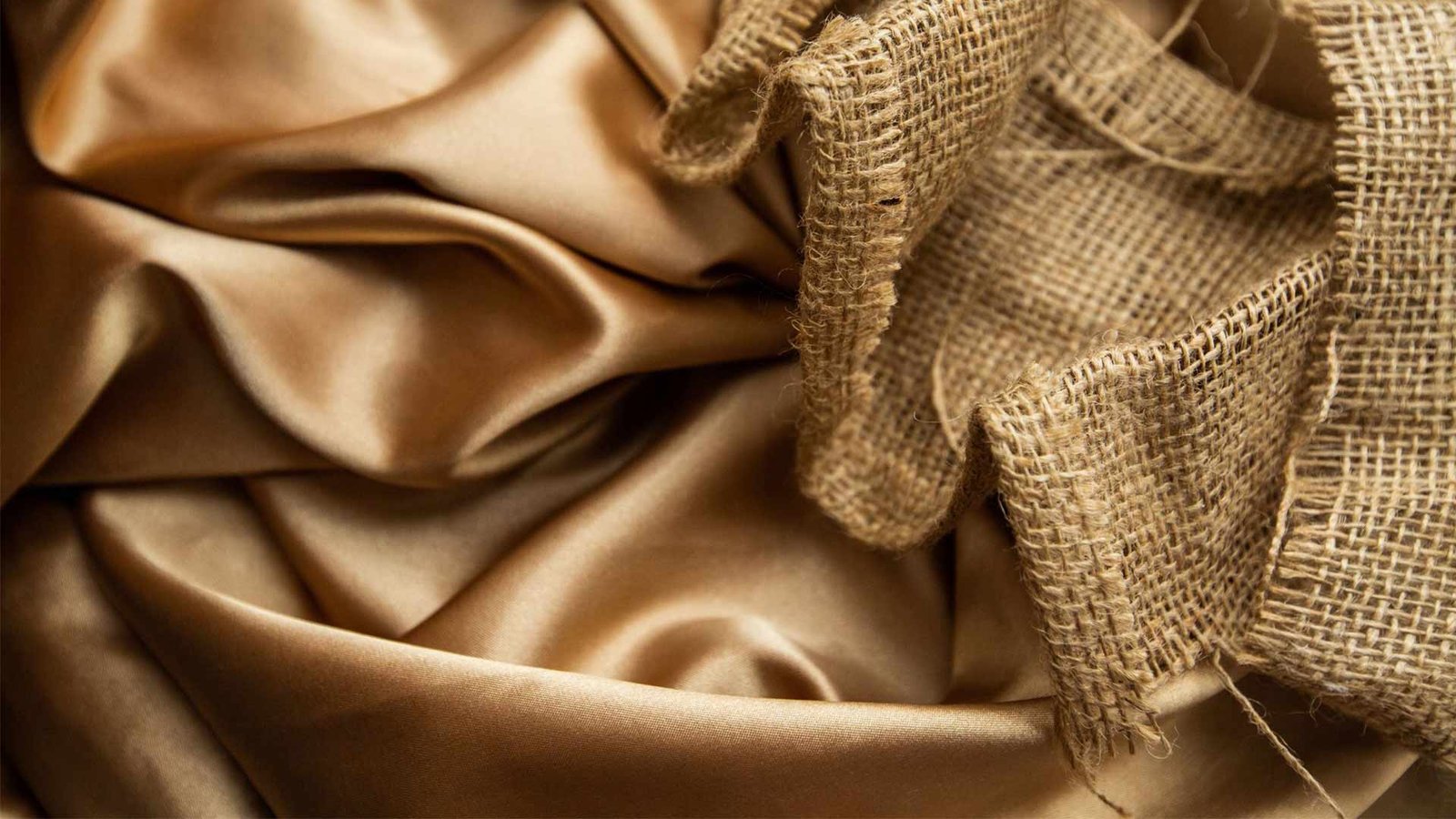
1. High-Performance Textiles (Banana Silk): The most sophisticated use of banana waste in China is the extraction of Musa fiber. Historically used for handcrafted goods, Chinese textile giants have now mechanized the process to produce fibers at large scale.
2. Luxury Apparel: The innermost layers of the banana pseudostem yield extremely fine fibers often referred to as “banana silk.” These are biodegradable, fire-resistant, and have a natural luster, making them a favorite for high-end, eco-conscious fashion brands.
3. Technical Fabrics: The outer, coarser fibers are processed into “banana cotton” or blended with recycled polyester. These fabrics are exceptionally breathable and are used in sportswear and sustainable upholstery.
4. Advanced Bioplastics & Packaging: As China implements stricter bans on single-use plastics, banana waste has become a primary feedstock for the biopolymer industry.
5. Starch-Cellulose Bioplastics: By combining cellulose extracted from banana stems with cassava starch, Chinese researchers have developed biodegradable films. These are used for food wraps and agricultural mulch films that decompose naturally into the soil, solving the “white pollution” crisis in farming. Mulch films prevents the soil moisture from drying out, thereby reducing the need for irrigation. It protects crops by reducing the infestation of harmful insects and increases yields by 15 to 25 percent.
6. Molded Fiber Packaging: Banana pulp is now a common alternative to Styrofoam. It is used to create egg cartons, electronics padding, and takeaway containers that are both water-resistant and home-compostable.
7. The Circular Economy: China’s 14th Five-Year Plan has accelerated the integration of banana waste into industrial closed loops. Ground banana fibers are used as “green fillers” in the automotive industry. Companies are incorporating these fibers into interior car panels and door trims to reduce vehicle weight and carbon footprints.
8. Hydrothermal Biochar: Banana peels and waste are processed into biochar — a carbon-rich material used for soil remediation. This biochar is deployed to filter heavy metals from industrial wastewater in heavy industrial zones.
Banana waste offers a versatile and eco-friendly raw material across various manufacturing sectors, transforming distinct parts of the plant into high-value industrial products. The inner pseudostem yields silk-grade textiles, serving as a fully biodegradable alternative to synthetic fabrics, while the outer pseudostem’s high tensile strength and lightweight nature make it ideal for industrial ropes and automotive panels. Additionally, banana peels can be converted into bio-composite fillers to reduce reliance on plastics in manufacturing, and the leaves and trunk can be processed into organic bio-fertilizer that restores soil nitrogen without harmful chemicals.
China served as the world’s industrial factory floor — and its top dumping ground for global scrap for decades. However, a major structural transformation has quietly shifted the balance of global trade power. By declaring an end to foreign waste imports and channeling massive state and private capital into waste-to-wealth industrialization, China is executing one of the most strategic economic maneuvers of the 21st century.
This transition from an industrial polluter to a circular economy powerhouse is not merely an environmental policy; it is a calculated economic strategy. Here is how China’s mastery over turning waste into high-value resources is propelling it toward the top of the global economy.
1. Achieving Critical Raw Material Security and Independence
A major bottleneck for any growing super-economy is resource dependence. Securing a steady supply of crude oil, copper, lithium, and rare earth metals often leaves nations vulnerable to supply chain disruptions, foreign policy friction, and volatile commodity pricing.
China’s “urban mining” infrastructure fundamentally changes this dynamic:
(i) Secondary Resource Recovery: Advanced industrial recycling allows China to harvest high-purity lithium, cobalt, nickel, and copper directly from retired electric vehicles (EVs), electronics, and industrial scrap.
(ii) Price Cushioning: By substituting imported primary ores with domestic secondary materials, Chinese manufacturers are insulated from global commodity inflation, keeping production costs predictably low.
(iii)Supply Chain Sovereignty: Controlling both the raw resource processing and the recycling loop ensures China to remain self-sufficient in manufacturing critical technologies, even during geopolitical trade tensions.
2. Circumventing Western “Green Tariffs” and Carbon Regulations
As Western economies impose stricter environmental standards — such as the European Union’s Carbon Border Adjustment Mechanism (CBAM) — foreign exporters face rising financial penalties for carbon-heavy goods.
Rather than viewing these regulations as trade barriers, China has turned its circular economic model into a competitive shield:
(i) Lowering Embedded Carbon: Producing steel, aluminum, and plastics from recycled feedstocks requires up to 70% to 95% less energy than processing virgin ores. This drastically reduces the carbon intensity of exported goods.
(ii) Unlocking Premium ESG Markets: Global consumer brands are legally bound to meet strict recycled content mandates. By scaling up certified high-grade recycled materials, China becomes the primary qualified supplier for multinational corporations.
(iii) Tariff Avoidance: Low-carbon manufacturing enables Chinese goods to enter regulated Western markets with minimal or zero carbon border fees, outcompeting nations that still rely on carbon-heavy, linear manufacturing models.
3. Exporting Advanced Green Technology and Setting Global Standards
China is no longer just selling low-margin consumer electronics; it is exporting high-value, complex industrial infrastructure.
(i) Waste-to-Energy (WTE) Expansion: Chinese companies lead the world in advanced incineration, bio-refining, and municipal waste treatment systems. These complete turnkey facilities are being aggressively exported across Southeast Asia, Africa, and Latin America under the Belt and Road Initiative.
(ii) Setting International Standards: As China pioneers large-scale circular industrial parks and AI-driven sorting systems, it establishes the operational standards for emerging economies. Foreign countries adopting Chinese waste management technology inevitably become locked into Chinese technical ecosystems, software, and supply networks.
4. Unlocking High-Value Intellectual Property and Technological Innovation
Modern waste-to-wealth industrialization has evolved far beyond basic manual sorting into a high-tech ecosystem driven by cutting-edge technology. Today, transforming industrial byproducts and organic waste into valuable commercial assets relies heavily on advanced innovations—integrating artificial intelligence, chemical engineering, and autonomous robotics to maximize resource recovery, streamline recycling workflows, and accelerate global sustainability goals.
(i) Patents and IP Leadership: Chinese research institutes and private green-tech firms are accumulating global patents in chemical plastic recycling, battery recycling chemistry, and bio-waste processing.
(ii) Industrial Modernization: Transitioning toward high-tech waste recovery fosters a massive domestic ecosystem of software developers, robotics engineers, and materials scientists, shifting China away from low-cost assembly and into a high-wage, tech-driven service economy.


