
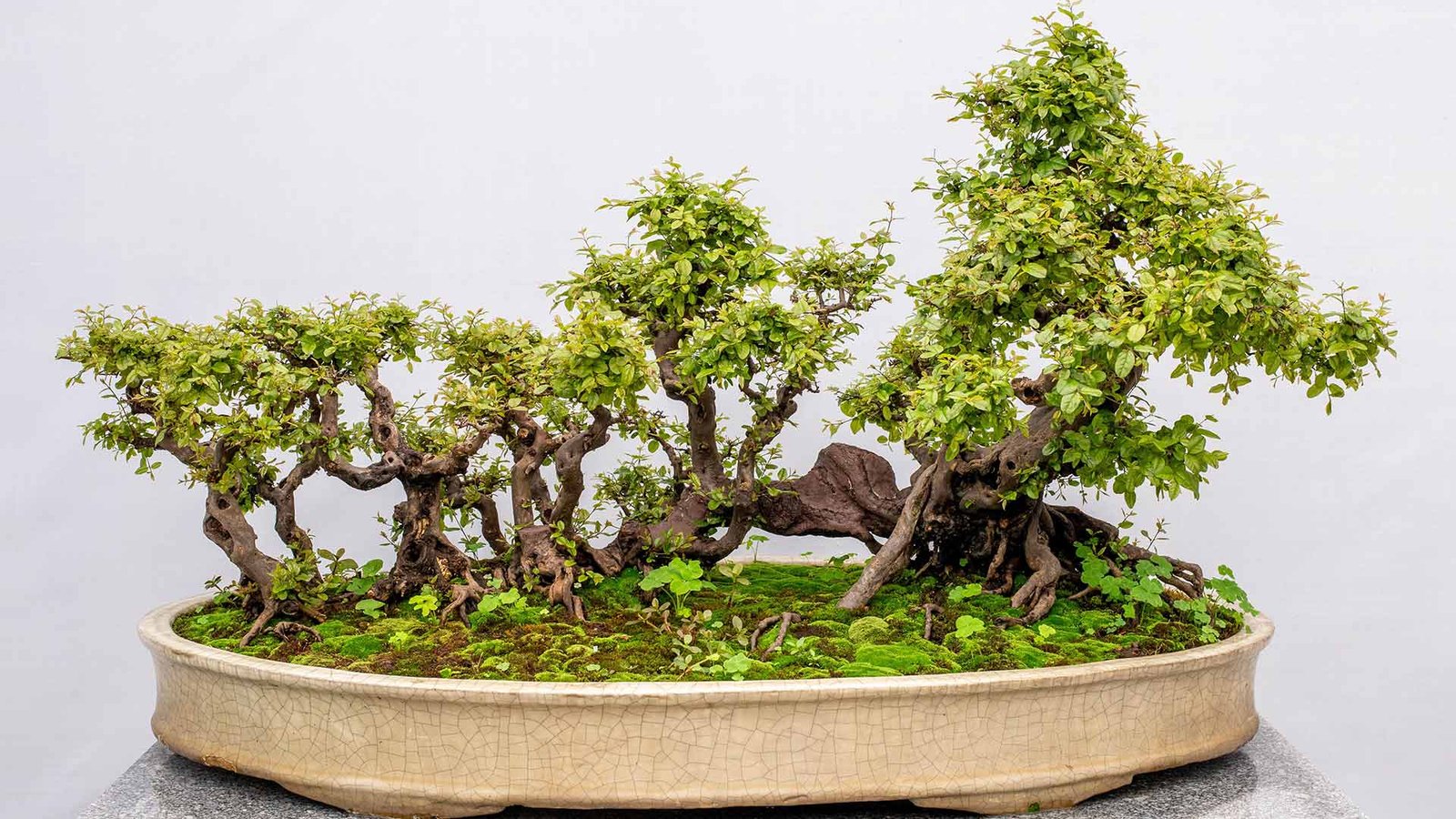
Bonsai – a forest decoration in your house with having multiple benefits. Image Courtesy – Pexels
Bonsai is a form of cultivation technique originated in Japan. It is utilized to cultivate trees in containers. In this form of cultivation, small trees imitate the shape and scale of the large trees. This tradition is more than thousand years old in Japan.
Let’s start planting bonsai trees at home. Sometimes in the corner of the bedroom, sometimes on the dining table, all the trees are arranged. There is a new trend of forest decoration in our modern life, but there are several reasons behind it.
It reduces stress
The doctors think that seeing green in front of the eyes, mental stress remains under control. As the greenery decreases on all four sides in our society, the trend of planting trees in this way is increasing from house to house. You can add some special species of trees inside your house to get some more Oxygen out of it.
Indoor air remains pure
If there are trees in every house, the polluted air circulates less inside the house. As a result, it is very important for everybody to keep bonsai trees. It creates a soothing effect on our eyes. By planting bonsai trees at home, children and future generations can be easily convinced about the importance of trees and plants.
It is comparatively easy to care
This type of tree is not very difficult to be taken care of. Many people love to plant trees but do not get enough time to afford in gardening. But, you do not have to spend much time behind these trees. Trees are happy when they get a little light and water.
Major bonsai trees in Indian climate
The names of some of the trees are given below that can be cultivated easily in Indian sub-continent. They are – Mango, Guava, Pomegranate, Sweet Lemon, Sacred, Pará rubber, Banyan, Peepal,Silver Oak, Fig, Sapodilla, Christmas Tree, Vilayi Tamarind, Mulberry, Hill Rose, King of the Day, Night-flowering jasmine, Australian pine, Lychee, Indian gooseberry, Lemon, Golden shower, Orange, Plane, Royal poinciana, Neem, Bougainvillea, Pear, Jasmine, Cedar, Fir, Monoon longifolium, Birch, Semal or Bombax etc.
Some special things about Bonsai trees
(i) Bonsai tree should always be planted according to the climate. The plant that suits your climate should be planted in your house. Otherwise its growth will be disturbed.
(ii) These trees should be kept in the sun or kept in a place where there is sunlight.
(iii) Adequate manure should be applied to the soil for bonsai trees.
(iv) Cutting of the trees should be maintained periodically.
(v)The soil of the trees should be replaced after a few years.
(vi) Light irrigation should be done in pots of the trees. Avoid filling with too much of water. It would be better to use watering cans.
Advantages of bonsai trees
(i) Bonsai trees look small attractive. By applying it you can enhance the beauty of your home. Today, it is a part of interior decoration also.
(ii) People who have lack of space can also grow greenery in their home by planting bonsai trees.
(iii) Other tree and plants require more water and more care, but Bonsai trees are small, so their maintenance costs little time. Irrigation of this plant takes very little water.
(iv) Nowadays Bonsai tree has emerged as a good employment. You can also start a business of nursery of Bonsai trees.
(iv) Elderly people can easily spend their time by planting and maintaining Bonsai trees. So, it is the right time to decorate your house with bonsai trees. Have a decent look in your house as well as pure and fresh air.
In classical Ayurveda, bonsai itself does not have a distinct or recognized medicinal effect. Ayurveda classifies plants based on their botanical properties (Dravyaguna—taste, potency, and post-digestive effect) rather than their cultivation style or miniature size.
However, placing a bonsai indoors influences your immediate environment and mental state in ways that align with Ayurvedic principles of daily well-being (Swasthavritta):
- Mental Calmness (Sattva)
Ayurveda links visual harmony and connection with nature to a balanced mind (Sattva guna). Tending to a bonsai—pruning, watering, and observing its slow growth—acts as a form of mindful meditation. This helps pacify aggravated Vata (which governs anxiety, restlessness, and overthinking) and cools excess Pitta (irritability and mental fatigue). - Indoor Microclimate and Air Quality
Humidity and Cooling: Live indoor plants release moisture through transpiration, slightly increasing room humidity and creating a subtle cooling effect. In dry indoor environments (such as air-conditioned rooms), this helps prevent dryness of the skin and respiratory passages—a common sign of elevated Vata.
Air Purification: While a single miniature tree has a modest effect compared to larger foliage plants, it still absorbs small amounts of carbon dioxide and releases oxygen during the day, supporting fresh Prana (vital energy) in the room.
- Species-Specific Ayurvedic Properties
If the bonsai is grown from a traditional Ayurvedic tree, the species itself carries specific qualities, though keeping it in a pot does not substitute for consuming or applying herbal preparations:
Peepal (Ficus religiosa) or Banyan (Ficus benghalensis): Revered in Ayurveda for their cooling (Sheeta) and grounding nature. Traditionally associated with purification and mental clarity.
Neem (Azadirachta indica): Known for its strong antimicrobial and purifying qualities, though Neem rarely thrives long-term indoors due to high sunlight needs.
Jade (Crassula ovata) or Ficus microcarpa: Popular indoor bonsai choices; while not classical Ayurvedic herbs, their lush green leaves visually soothe tired eyes (Alochaka Pitta).
Practical Tips for Keeping a Bonsai Indoors
Sunlight is essential: Most bonsai trees—even indoor-tolerant varieties like Ficus or Carmona (Fukien tea)—need bright, indirect sunlight near a window. A struggling, yellowing plant creates stagnant energy (Tamas) rather than vitality.
Avoid Vata-aggravating clutter: Keep the soil surface clean of dead leaves and ensure the tray doesn’t hold stagnant water, which attracts mould and dampness (Kapha imbalance).
Bedroom placement: Plants respire at night (taking in oxygen and releasing minor amounts of carbon dioxide). While a single bonsai is harmless in a well-ventilated bedroom, placing it in a study, living room, or near a sunlit window offers the best aesthetic and grounding benefits.


